
How to Choose the Right Home Battery Storage System: A Complete Guide (1-18kWh)
Published by VOLTASTER Energy | August 2026
With electricity prices rising across Europe and feed-in tariffs declining, home battery storage has become essential for homeowners with solar panels. But with so many options — from 1kWh portable units to 18kWh whole-home systems — how do you choose the right one?
This guide covers everything you need to know about selecting a home battery storage system.
1. Understand Your Energy Needs
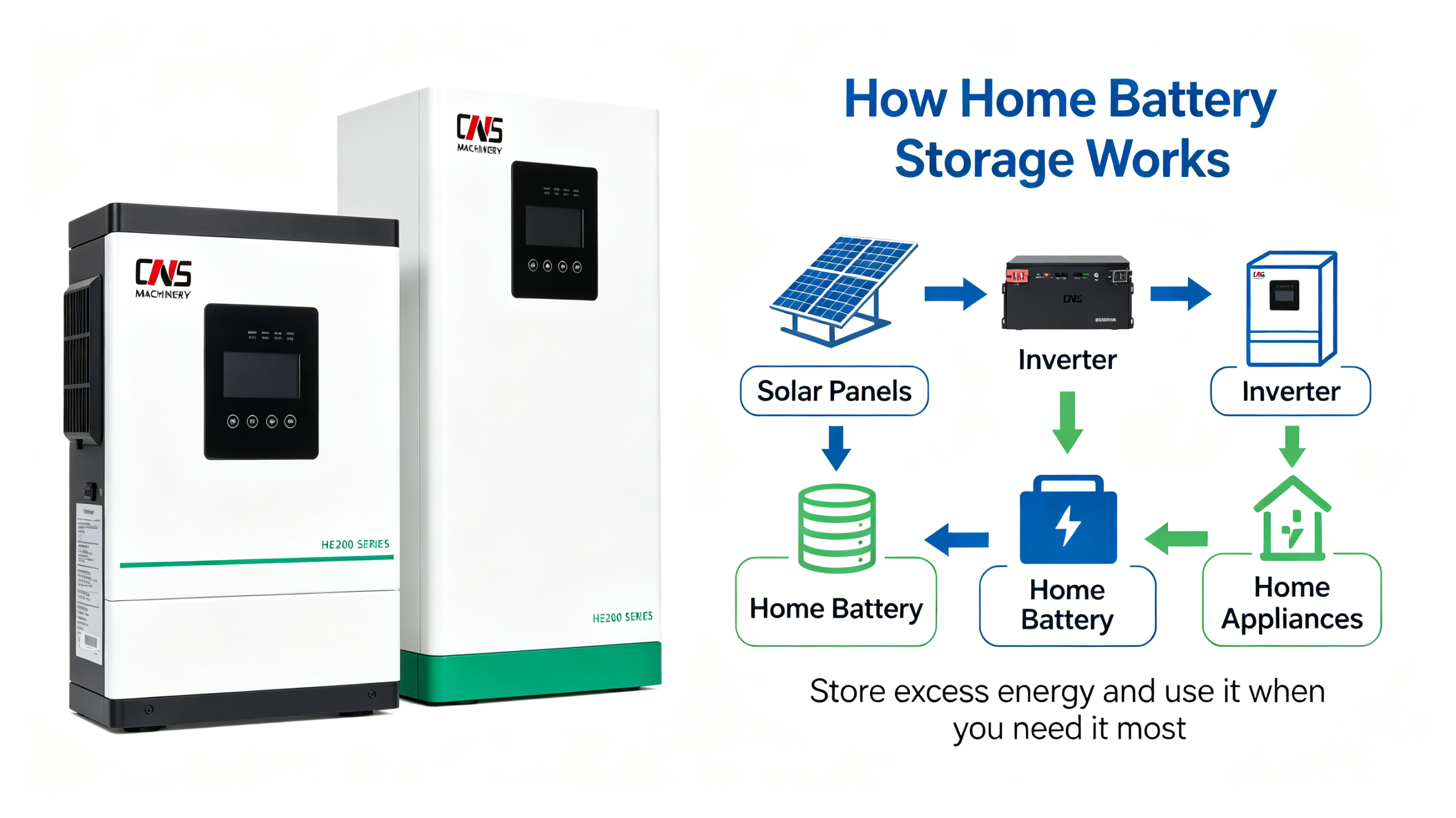
Before choosing a battery, calculate your daily consumption:
- Small home / apartment: 5-10 kWh/day → 3-8kWh battery
- Medium family home: 10-20 kWh/day → 8-16kWh battery
- Large home with high usage: 20+ kWh/day → 16-18kWh battery or multiple units
A general rule: battery capacity should cover your overnight consumption (roughly 60% of daily usage) to maximize self-consumption of your solar energy.
2. Battery Chemistry: LiFePO4 vs NMC
| Feature | LiFePO4 | NMC (Lithium Nickel Cobalt) |
|---|---|---|
| Safety | Excellent — thermal stable, non-flammable | Good — but higher fire risk |
| Cycle Life | 5000-6000+ cycles (13-16 years) | 3000-4000 cycles (8-10 years) |
| Energy Density | Lower (heavier) | Higher (lighter) |
| Cost | Lower | Higher |
| Best For | Home storage, stationary use | EVs, portable devices |
Verdict: For home energy storage, LiFePO4 is the clear winner — safer, longer-lasting, and more affordable. All VOLTASTER batteries use A-grade LiFePO4 cells.
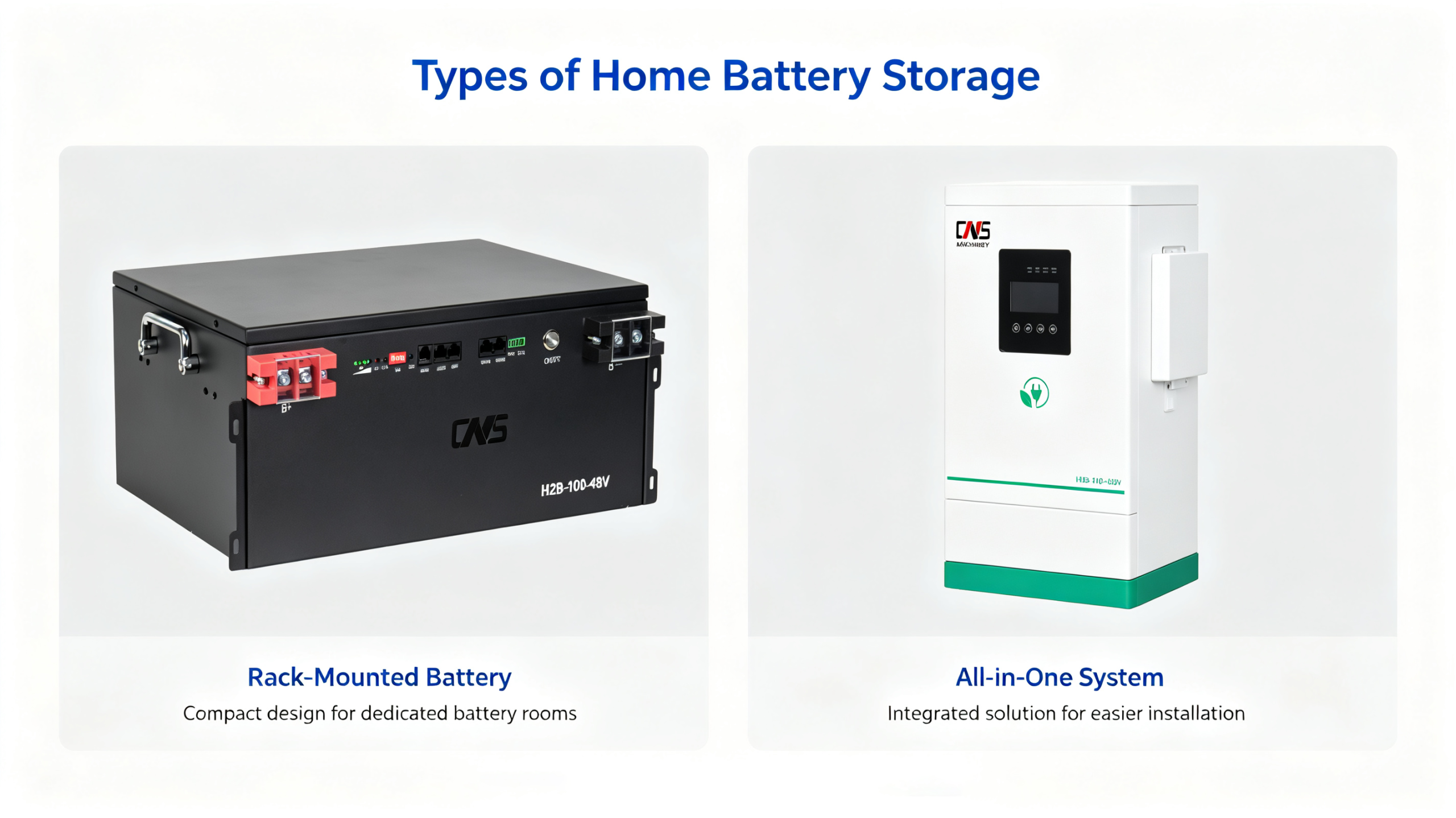
3. All-in-One vs Separate Components
All-in-One Systems
Combines battery, inverter, and MPPT controller in one unit. Easier to install, smaller footprint. Ideal for smaller homes and balconies. Example: H3-W8-6500 8kWh all-in-one system.
Separate Components
Battery and inverter are separate. More flexible for expansion, easier to replace individual parts. Ideal for larger installations. Example: H2B-100-48V battery + HE300-12000 hybrid inverter.
4. Key Specifications to Compare
| Spec | What It Means | What to Look For |
|---|---|---|
| Useable Capacity (kWh) | How much energy you can actually store | 5-10kWh for standard homes |
| Power Output (W) | How many appliances you can run at once | 3000-6000W for whole-home backup |
| Cycle Life | How many charge/discharge cycles before degradation | 5000+ cycles (LiFePO4) |
| Depth of Discharge (DoD) | How much of the battery can be safely used | 80-100% DoD |
| IP Rating | Dust/water resistance for outdoor installation | IP54 for outdoor use |
| Parallel Support | Can you expand by adding more units? | Up to 9 units supported |
5. Parallel Expansion: Why It Matters
One of the most important features in a modern storage system is the ability to scale up. Products like the VOLTASTER HE200 and HE300 series support up to 9 units in parallel — allowing your system to grow from 5kW to almost 100kW as your needs evolve.
This is especially valuable for homeowners who want to start small and expand later.
6. Indoor vs Outdoor Installation
- Indoor: Ideal for garages, basements, utility rooms (IP20/IP21 rating)
- Outdoor: IP54-rated cabinets can be placed on balconies, gardens, or exterior walls
Many European homeowners prefer outdoor batteries to save indoor space. VOLTASTER H3-W series and H3B battery cabinets are IP54 rated for outdoor installation.
7. Budget Considerations (2026)
Home battery costs vary significantly by capacity and brand:
| Capacity | Price Range (USD, installed) | Best For |
|---|---|---|
| 1-3kWh | $100 – $500 | Portable, balcony, emergency |
| 5-8kWh | $500 – $1,500 | Small homes, apartments |
| 10-16kWh | $1,500 – $3,500 | Standard family homes |
| 16-18kWh+ | $3,500+ | Large homes, small commercial |
These are system costs. Factory-direct pricing from manufacturers like VOLTASTER can significantly reduce costs for distributors and installers.
8. Certifications Checklist
For European buyers, ensure your battery system has:
- ✅ CE (LVD + EMC) — mandatory for EU market
- ✅ UN38.3 — required for shipping/transport
- ✅ IEC 62619 — safety for stationary batteries
- ✅ VDE (Germany) / CEI 0-21 (Italy) / G98/G99 (UK) — local grid compliance
Summary: Quick Selection Guide
| Your Situation | Recommended System | Capacity |
|---|---|---|
| Balcony solar / camping | Portable generator (L2-N1) | 1kWh |
| Small home / rental | Mobile all-in-one (H4-N8-4200) | 8kWh |
| Standard home | Wall battery + inverter | 5-16kWh |
| Large home | Outdoor cabinet + hybrid inverter | 16-18kWh+ |
| Small business | Parallel inverter system | Up to 99kW |
Final Thoughts
Choosing the right home battery storage system depends on your energy usage, budget, and future plans. Start by understanding your daily consumption, prioritize safety (LiFePO4), and choose a system that can expand as your needs grow.
At VOLTASTER, we manufacture a complete range of 1-18kWh LiFePO4 batteries, all-in-one systems and hybrid inverters — all with factory-direct pricing. Explore our product range or contact us for wholesale inquiries.
1111